Red light therapy for hair, at home, means a cap, helmet, band or comb that shines red light (620 to 680 nm, sometimes with near-infrared) on the scalp for a few minutes on a schedule. The devices sold for hair growth are FDA-cleared through 510(k) for pattern hair loss, according to their makers. In November 2026 they cost $299 for a comb to $2,699 for a dual-wavelength cap. The choice comes down to format, routine, light-source count and the guarantee, not to the colour of the light, which is similar across brands.
What "red light therapy" means for hair
Red light therapy is the umbrella name for shining red and near-infrared light on the body. For hair, the light goes on the scalp, from a device you wear or move over your head. In clinic papers you will see it called low-level light therapy (LLLT) or photobiomodulation; on product pages, "red light", "laser therapy" or "LLLT" are used almost interchangeably.
Every laser cap is a red light device: the lasers inside emit red light. Some devices use LEDs instead of lasers, or a mix of both. So when you search "red light therapy cap", you land on the same products as "laser cap", plus a few LED-only ones. Our red light cap ranking puts all the hands-free ones on one list.
Panels sold for skin or recovery are a different category. If you are buying for hair, buy a device whose own page states a hair-growth indication and an FDA clearance for it, as every device in our list does.
Wavelengths: what each brand uses
The red light in these devices sits in a narrow band. Here is what each brand publishes:
| Device | Light sources | Wavelength (brand figure) |
|---|---|---|
| Kiierr 272 Premier / illumiflow 272 Pro | 272 lasers | 650 nm |
| Capillus PRO | 272 lasers | 650 nm |
| Capillus Spectrum | 312 lasers | 650 nm + 808 nm |
| HairMax PowerFlex 272 | 272 lasers | 655 nm |
| iRestore Professional | 82 lasers + 200 LEDs | 655 nm |
| iRestore Elite | 300 lasers + 200 LEDs | 625 / 655 / 680 nm |
| Theradome PRO LH80 | 80 lasers | 680 nm |
| REVIAN RED | 119 LEDs | 620 nm + 660 nm |
Notice how close those numbers are. Whatever the marketing says, the colour of the light is not what separates these devices. Coverage, routine and the terms behind them do.
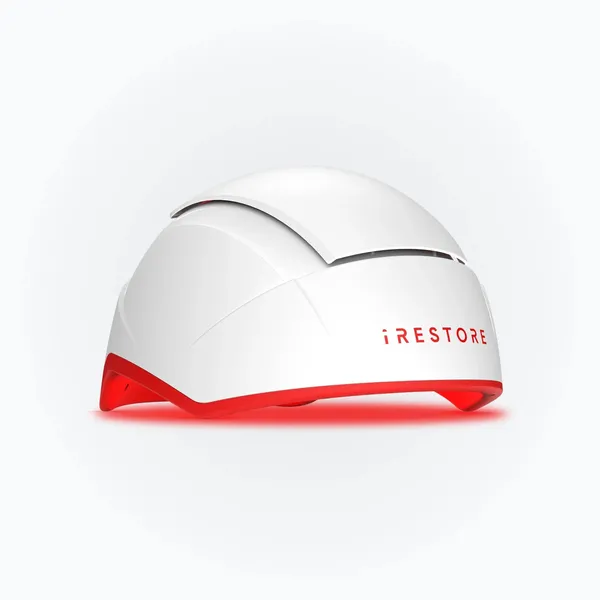
Mixes 82 lasers with 200 LEDs, 282 light sources in all, for $799 on November 11, 2026, with a 12-month money-back window.
Lasers or LEDs?
This is the argument you will meet on every brand page, and the brands contradict each other. Capillus says LEDs "disperse and do not penetrate to the same depth" as lasers. Theradome sells laser-only helmets and says "no LEDs ever". iRestore calls the idea that LEDs do not work "a myth" and mixes both. REVIAN uses LEDs only and calls RED "first-in-class".
We do not referee clinical claims. What we can tell you is that devices of both kinds carry FDA clearances, according to their makers, and that our formula counts light sources whether they are lasers or LEDs. If the laser-only argument convinces you, our red light ranking lets you skip the mixed devices easily: Kiierr, illumiflow, Capillus, HairMax and Theradome are all laser-only.
Caps, helmets, bands and combs
- Caps (Kiierr, illumiflow, Capillus, HairMax PowerFlex, REVIAN) are soft shells with a battery. You can move around during a session, and they look like a baseball cap.
- Helmets (iRestore, Theradome) are rigid. The lights sit at a fixed distance and the device stays put. iRestore's plug in; Theradome's are wireless.
- Bands and combs (HairMax LaserBand 82, Ultima 12) are handheld. They are the fastest or the cheapest, but you hold them and move them.
Our format guide goes deeper on the trade-offs, including the weekly time each one asks for.
What red light hair devices cost
On November 11, 2026, prices ran from $299 (HairMax Ultima 12 comb) to $2,699 (Capillus Spectrum), with a median of $849 across the 15 devices we compare. Several brands were on Black Friday pricing that day: Kiierr, illumiflow, iRestore and Theradome all showed regular prices 50% to 100% above the sale price. Capillus, HairMax and REVIAN showed their regular prices.
If you are shopping on budget, our under-$1,000 ranking lists nine options. The iRestore Essential at $499 and the Theradome EVO at $495 were the cheapest hands-free devices.
What a year of red light therapy costs
Spread the price over the time the brand says you need, and the numbers look different. A $499 iRestore Essential used for a year is about $42 a month; a $2,699 Capillus Spectrum is about $225 a month for the first year and then nothing, because none of these devices has a subscription. There are no refills, no bulbs to buy and, apart from the odd battery, nothing to replace for years: Theradome rates its lasers at 18,000 treatments.
Two things change that maths. First, the money-back window: if you return a device inside it, your real cost is the fee (zero at iRestore, Capillus, HairMax, Theradome and REVIAN; up to 25% at Kiierr and illumiflow). Second, the warranty: a 3-year warranty on a $1,699 Capillus PRO and a 1-year warranty on a $1,799 HairMax PowerFlex 272 are very different bets on a battery-powered gadget you will use hundreds of times.
So when you compare, look at three numbers together: today's price, the refund you would get if it does not suit you, and the years of warranty. Our comparison tool puts all three side by side.
How to pick one
Three questions get you most of the way. How much time will you give it each week? Do you want to move around during sessions, or sit? And how long a refund window do you want? Answer those, then use the comparison tool on two or three devices. Before you buy, check with your doctor that your hair loss is the pattern type these devices are cleared for, and read the guarantee terms on the brand's page on the day you order.
Nothing here is medical advice. Hair loss has many causes: talk to your doctor or a dermatologist before you start a device, and follow the maker's instructions.
Our three picks for this guide
Scores come from our published formula; the full list is in the ranking.
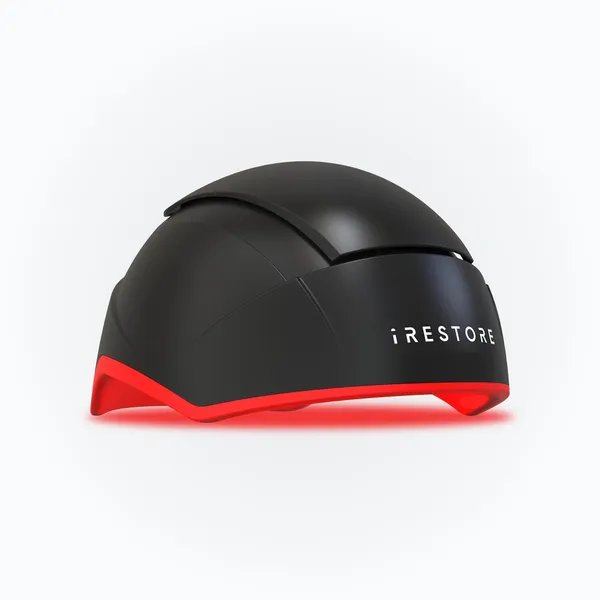
iRestore Elite
The most light on our list and a 12-minute daily routine, at a flagship price.
See today's price Read the review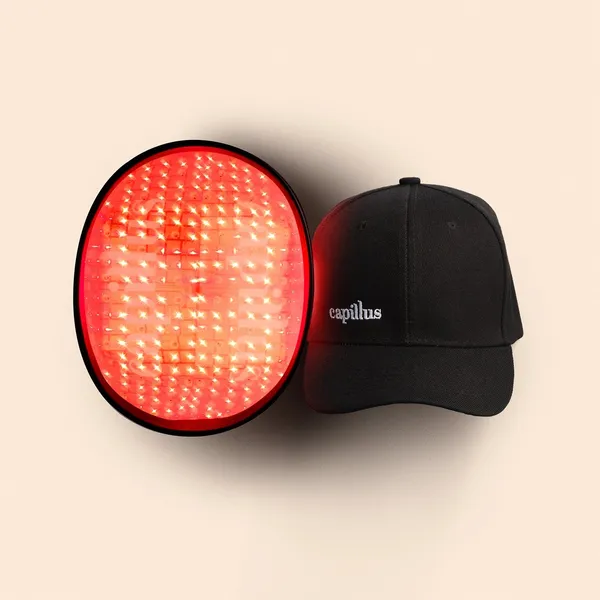
Capillus Spectrum
Capillus's dual-wavelength cap: more lasers, a docking station and a $2,699 price tag.
See today's price Read the review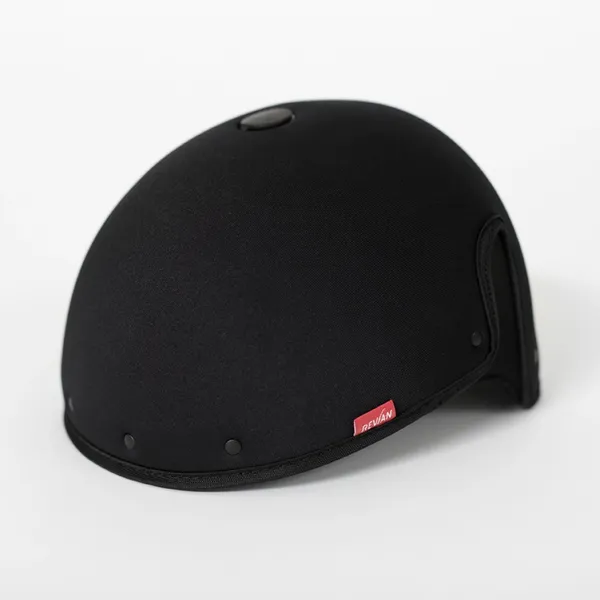
REVIAN RED
An all-LED cap with an app and a 6-month, 100% money-back guarantee, at the top of the price range.
See today's price Read the reviewReferences
- Brand product pages linked from each review, read November 11, 2026
Written by Marcus Hale, editor, laser hair-growth devices. Some links are affiliate links: if you buy through them, we may earn a commission at no extra cost to you. It never changes our scores. Disclosure.